When Funding Fuels the Climb: Examining Ties Between Transactions and Tier Advancements in Mobile Live Play
Written by Nils Bauer · Jun 9, 2026
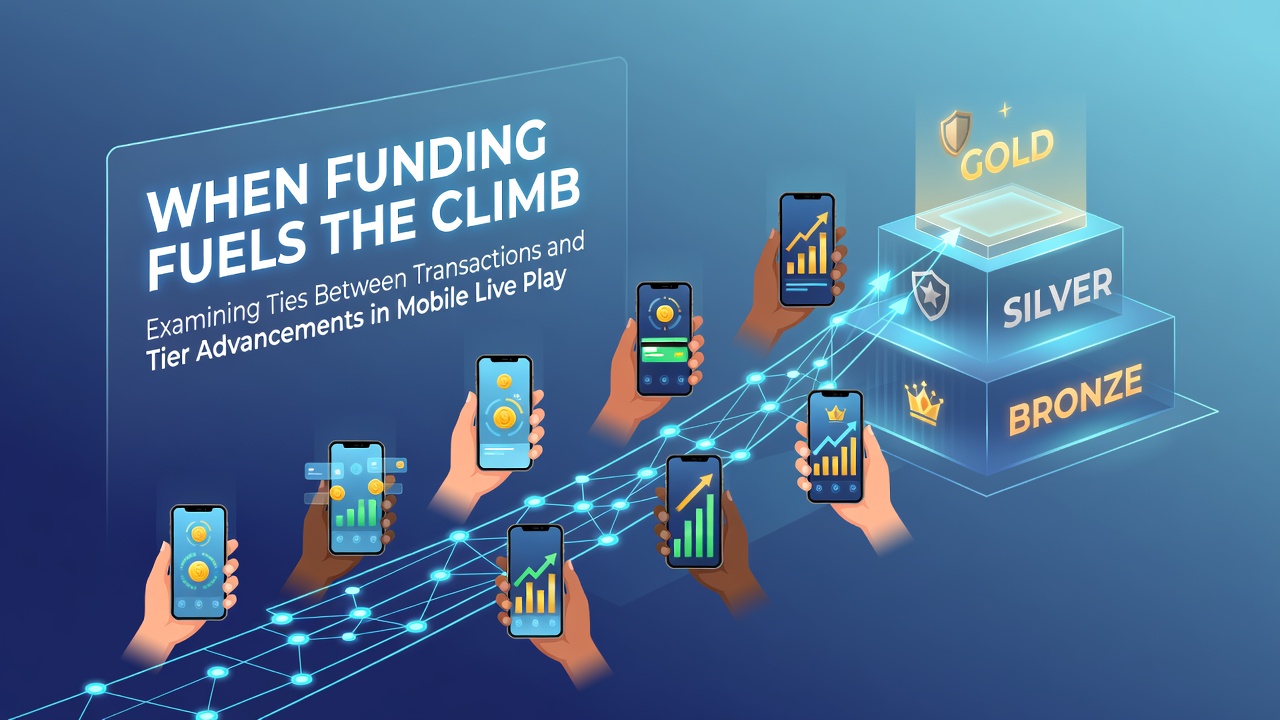
When Funding Fuels the Climb: Examining Ties Between Transactions and Tier Advancements in Mobile Live Play
Transaction volumes in mobile live play environments connect directly to tier advancement systems, and operators track deposit frequency alongside gameplay duration to determine player movement through loyalty structures. Data from multiple jurisdictions shows that consistent funding patterns often align with faster progression rates in live dealer segments, where blackjack, roulette, and baccarat sessions generate measurable activity metrics that feed into automated tier calculations.
June 2026 brought updated reporting standards across several international markets, requiring operators to document how real-time payment flows influence reward allocations in mobile platforms. These standards highlight correlations between instant deposit methods and increased participation in live table environments, with transaction logs serving as primary inputs for tier evaluation algorithms.
Transaction Mechanics in Mobile Live Environments
Payment processing systems integrated into mobile live play applications record each deposit with timestamps, amounts, and payment types, while these records feed into backend systems that calculate eligibility for tier upgrades. Operators utilize APIs that link banking partners directly to loyalty databases, allowing near-instant recognition of funding events that contribute points toward higher status levels. Research from the Australian Institute of Criminology indicates that platforms employing seamless transaction verification achieve higher retention rates among players who advance through multiple tiers within six-month periods.
Live dealer sessions require continuous balance maintenance, and players who execute frequent smaller transactions often accumulate tier points at rates comparable to those making larger intermittent deposits. System logs reveal that mobile-optimized wallets reduce friction in these processes, enabling quicker re-entry into active tables and sustained engagement that supports upward mobility in tier hierarchies.
Tier Structures and Funding Thresholds
Most mobile casino loyalty programs define tier levels through combined metrics that include total wagered amounts, session frequency, and deposit consistency, with live play categories weighted more heavily due to higher house-edge margins. Advancement typically requires crossing specific funding thresholds within defined windows, and automated systems monitor these parameters without manual intervention. Observers note that players reaching mid-tier status frequently demonstrate transaction patterns featuring at least three deposits per week alongside minimum average session lengths of forty-five minutes in live dealer rooms.
Case examples from platform analytics demonstrate that certain payment methods, particularly those supporting instant confirmation, correlate with accelerated tier climbs compared to slower processing options. These patterns hold across different operator databases, suggesting structural links between transaction speed and reward system responsiveness rather than isolated player behavior.
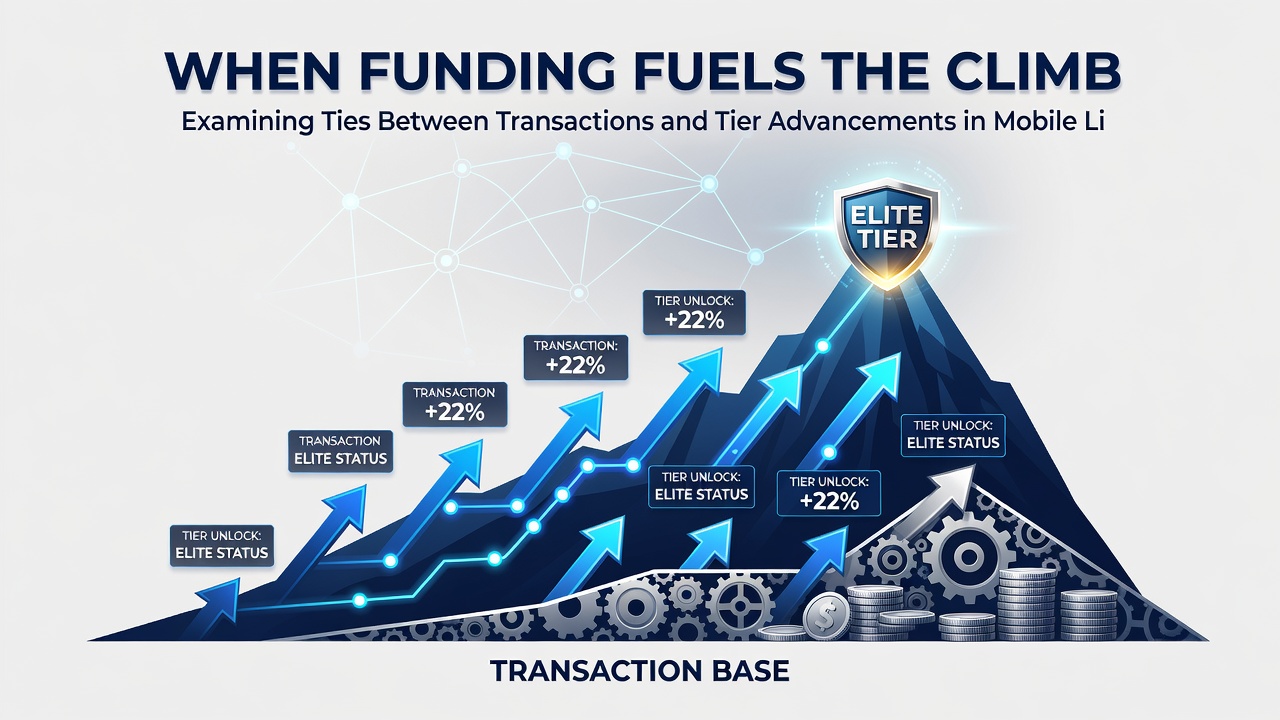
Data Patterns Across Mobile Platforms
Platform operators compile anonymized datasets that track how transaction size and timing relate to tier movement, and aggregated figures reveal seasonal variations where funding activity spikes during promotional windows coincide with increased live table participation. A 2025 industry report published by the Nevada Gaming Control Board documented similar trends in regulated mobile markets, showing that players completing tier jumps within quarterly cycles maintained steadier deposit schedules than those remaining at entry levels.
Live play environments generate additional data points through in-game decisions that combine with transaction histories to refine tier algorithms, and this integration allows operators to adjust reward structures dynamically based on observed funding behaviors. Those who've examined these systems find that mobile interfaces displaying real-time tier progress bars encourage continued transaction activity by making advancement milestones visible during active sessions.
Regulatory Context and Reporting Requirements
International regulatory frameworks increasingly require transparency around how funding mechanisms intersect with loyalty program operations, particularly in mobile channels where transaction volumes have grown steadily since 2024. Compliance documentation must now address potential correlations between deposit patterns and tier benefits, ensuring that advancement criteria remain consistent across player segments. These requirements emerged partly from broader examinations of player protection measures that consider financial activity as one indicator of engagement intensity.
Operators respond by refining their data collection practices to separate transaction records from gameplay outcomes while still allowing integrated analysis for tier purposes. This separation supports audit trails that regulators examine during periodic reviews, and the process has become standard in markets operating under updated licensing conditions effective through mid-2026.
Conclusion
Transaction records and tier advancement systems in mobile live play share measurable connections that operators quantify through integrated tracking mechanisms, and these links appear consistently across platforms operating under current regulatory environments. Funding patterns influence eligibility calculations in documented ways, while live dealer activity contributes distinct metrics that accelerate progression for qualifying players. Continued examination of these relationships will shape how platforms structure rewards and compliance reporting in subsequent periods.