Payment Systems Driving Advancement in Digital Entertainment Platforms
Written by Nils Bauer · Aug 2, 2026
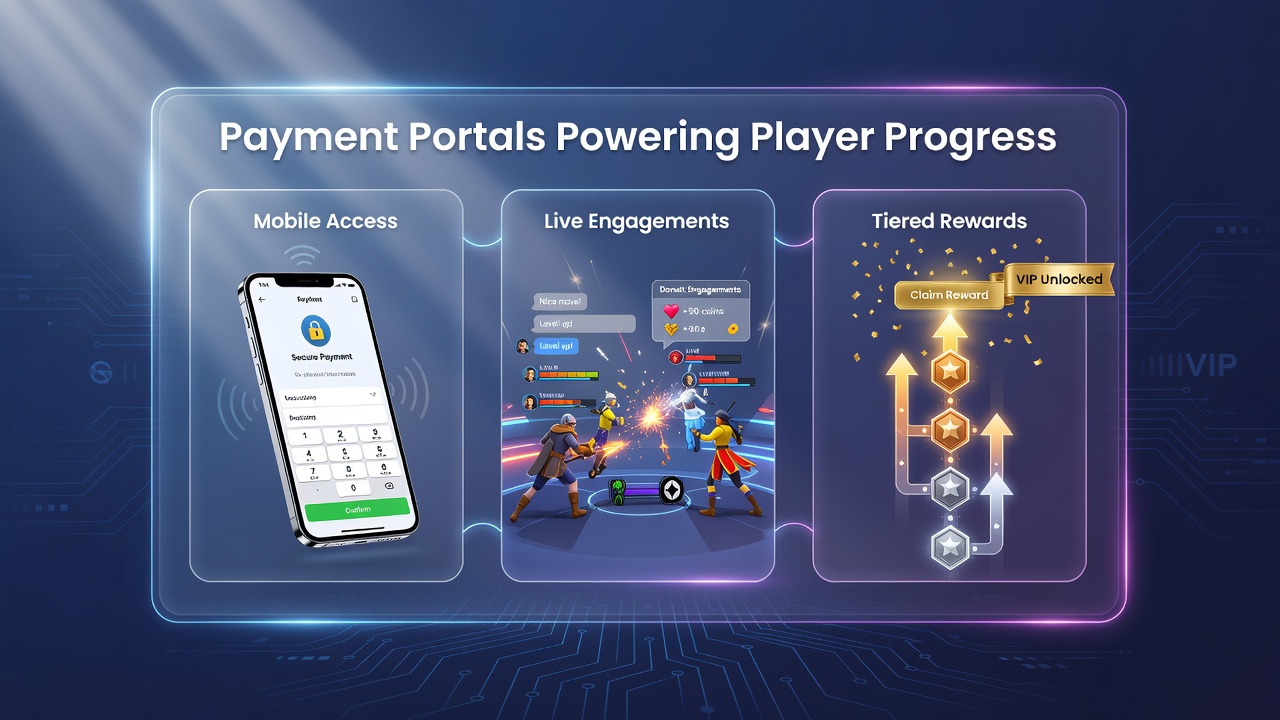
Payment Systems Driving Advancement in Digital Entertainment Platforms
Payment portals serve as central mechanisms that connect users to gaming environments, allowing seamless transfers that support continued participation across devices and formats, while data from industry reports shows these systems handle billions in transactions annually with increasing speed and security protocols in place.
Operators integrate multiple gateway options that accommodate various currencies and methods, and this flexibility helps maintain steady engagement as players move between sessions without interruption from processing delays.
Mobile Platforms and Instant Transaction Capabilities
Smartphone applications rely on optimized payment interfaces that process deposits in seconds, and users gain immediate access to slot libraries plus other features once funds clear through verified channels, according to figures from the American Gaming Association on digital transaction growth.
Developers design these portals with encryption layers that protect account details during each interaction, while compatibility with operating systems ensures consistent performance whether on iOS or Android setups, and recent advancements have reduced average approval times to under 30 seconds in many systems.
One documented case from a major platform revealed that streamlined mobile funding led to higher session frequencies among participants who previously encountered friction with older methods, yet the core process remains tied to regulatory compliance checks that verify user identity before activation.
Live Dealer Interactions Supported by Real-Time Funding
Live engagement tables require reliable deposit functions because participants often adjust stakes mid-session based on game flow, and portals that support instant top-ups allow continued play without leaving the interface, whereas slower alternatives can disrupt the rhythm of roulette or blackjack rounds.
Industry observers note that platforms offering integrated live streams pair these with payment confirmations displayed in real time, and this setup helps maintain immersion as balances update automatically after each successful transfer.
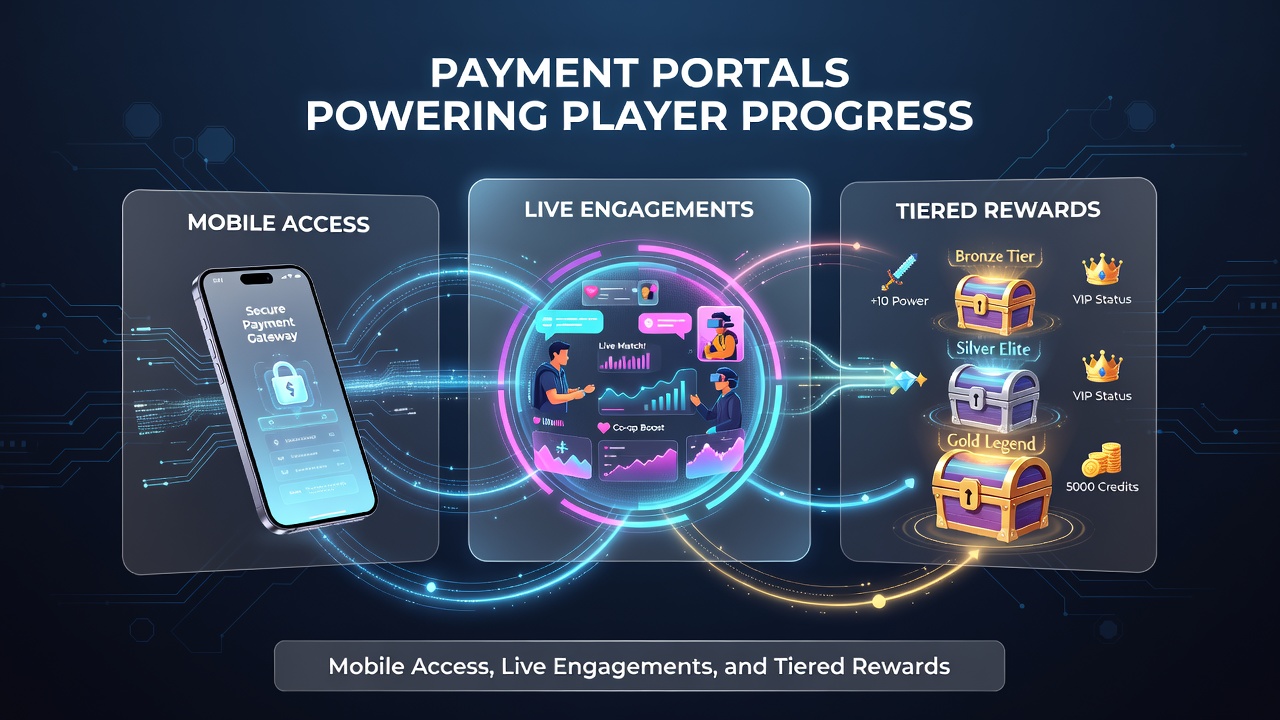
Research from the University of Nevada Las Vegas gaming studies highlights how transaction speed correlates with extended participation in interactive formats, and operators have responded by expanding accepted methods to include digital wallets alongside traditional cards, which broadens accessibility for international users.
Tiered Reward Structures and Deposit Integration
Loyalty programs advance through cumulative activity that payment records track automatically, and users climb levels by completing funded sessions that qualify for points or exclusive access, while portals display progress metrics alongside transaction histories for transparency.
August 2026 marks the rollout of updated verification standards across several jurisdictions that affect how reward tiers calculate eligibility, and platforms have adjusted their systems to align with these changes without altering core reward mechanics for existing participants.
Those who monitor player data patterns find that consistent use of verified payment channels correlates with faster tier progression because each deposit contributes directly to activity thresholds, and automated notifications alert users when milestones approach.
Security Measures and User Verification Processes
Advanced portals employ multi-factor authentication combined with biometric options on mobile devices, and these layers reduce unauthorized access incidents according to security audits conducted by independent firms, yet the emphasis stays on balancing protection with convenience during routine transfers.
Regulatory bodies in regions like Nevada and Victoria, Australia, require periodic reviews of transaction logs, and this oversight ensures portals maintain records that support responsible gaming tools such as deposit limits set by individual accounts.
Examples from operational platforms show that when users enable spending caps through the same interface used for deposits, the system enforces them automatically across all game types, which helps sustain long-term engagement patterns.
Conclusion
Payment portals continue to evolve alongside mobile technology and live formats, and their role in supporting tier advancement remains central as operators refine integration points for smoother user experiences, with ongoing adaptations expected through late 2026 based on emerging compliance requirements from varied global sources.