Mapping Player Pathways: Versatile Payment Tools and Personalized Guidance Facilitate Shifts from Mobile Reels to Premium Live Tables
Written by Nils Bauer · May 19, 2026
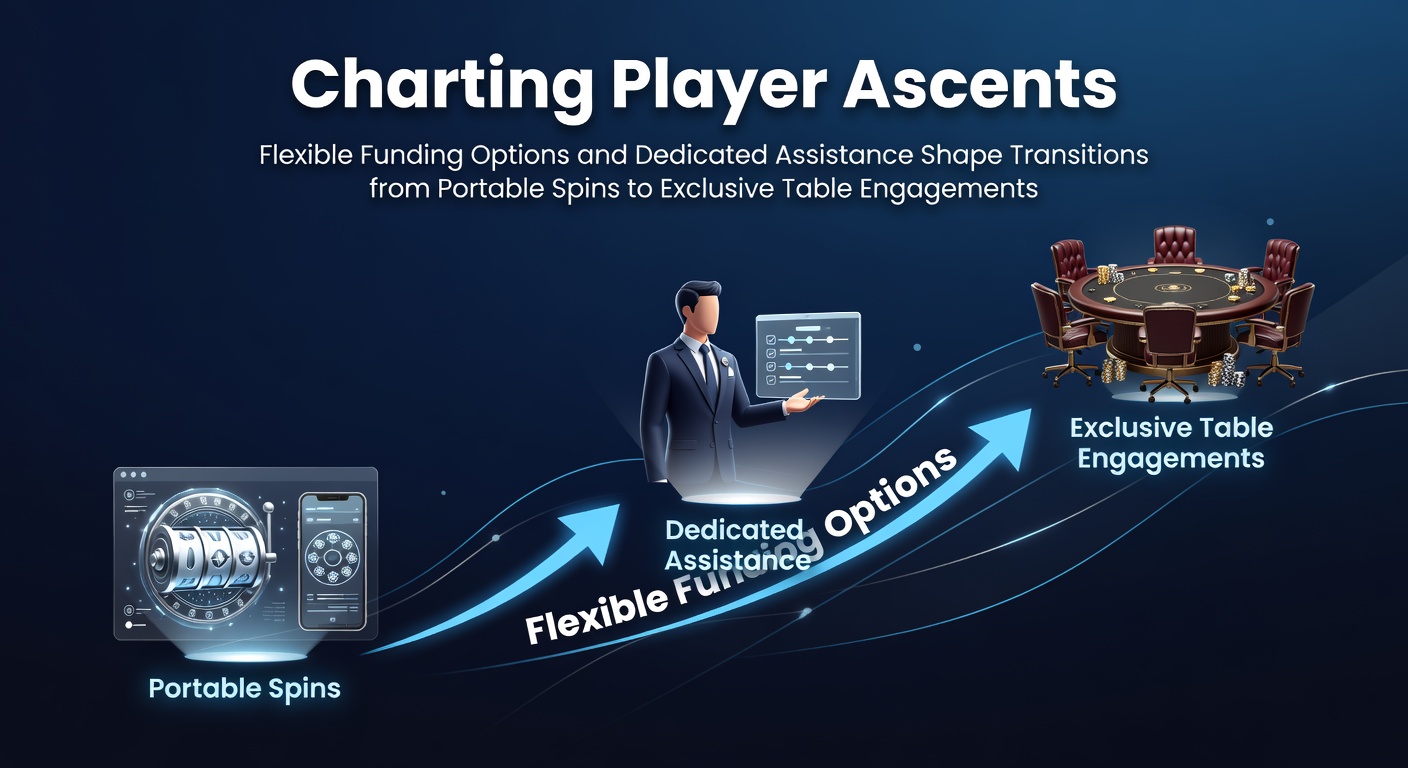
Mapping Player Pathways: Versatile Payment Tools and Personalized Guidance Facilitate Shifts from Mobile Reels to Premium Live Tables
Players often begin their casino journeys with portable slot sessions that fit into brief moments of downtime yet many advance toward structured live table environments where strategy and interaction take center stage, and industry data tracks these movements through patterns of deposit behavior and engagement levels. Research from the University of Nevada Reno Gaming Research Center indicates that adaptable funding mechanisms play a measurable role in sustaining this progression while dedicated assistance programs help maintain continuity across game types.
Tracking the Progression Patterns
Observers note that casino platforms record player activity across multiple categories with initial focus on quick spin sessions giving way to longer table game participations as account balances grow and familiarity increases. Studies show these transitions occur when users encounter seamless deposit options that accommodate varying session lengths and amounts, allowing individuals to adjust their activity without interruption. Data from Australian gambling research centers reveal similar upward trends where mobile-first users expand into live dealer formats once payment flexibility removes friction points.
Flexible Funding Structures in Action
Payment systems that support instant transfers and multiple currency options enable players to maintain momentum during key moments of escalation. One documented case involved a platform that introduced tiered deposit limits tied to loyalty milestones, resulting in higher conversion rates from slot users to table participants according to internal analytics shared at industry conferences. These structures function by aligning financial tools with individual playing rhythms rather than enforcing uniform processes across all accounts. What's interesting is how such adaptations appear in reports covering North American markets where operators report steady growth in cross-category play following payment updates.
Participants frequently discover that options like scheduled micro-deposits or rapid withdrawal confirmations reduce hesitation when moving between game formats. European operators have implemented similar layered approaches that tie funding speed directly to verification status, creating pathways that feel responsive to user needs at each stage of development.
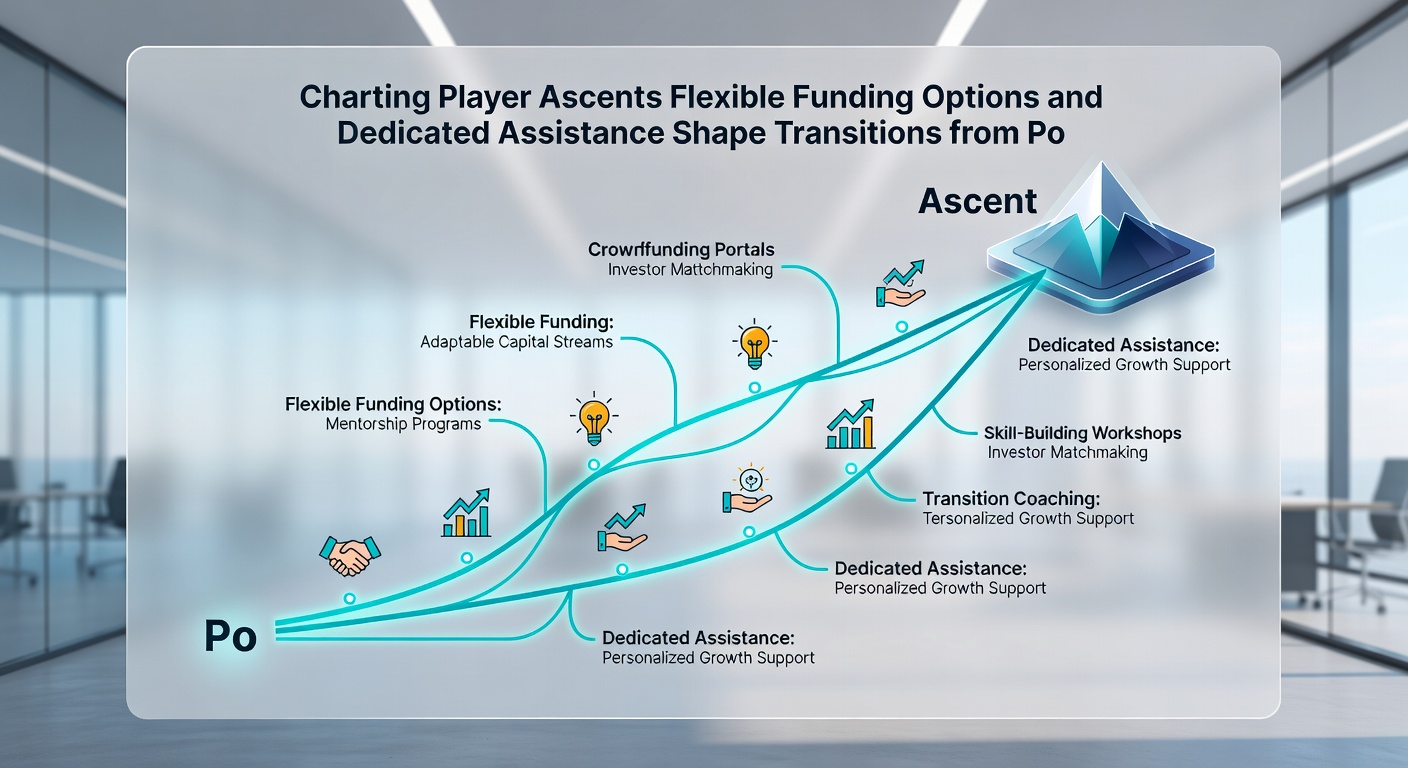
Role of Dedicated Assistance Programs
Support teams that remain available through multiple channels help bridge gaps during these transitions by answering questions about table rules, bonus applications, and account adjustments in real time. Figures from Canadian provincial gaming reports demonstrate that platforms with round-the-clock assistance see elevated retention among users who shift toward live engagements. Those who've examined player feedback note that personalized guidance often addresses specific concerns about game pace and table etiquette that mobile slot users encounter for the first time.
Assistance extends beyond basic troubleshooting to include tailored recommendations based on prior activity history, which helps players identify suitable table stakes and formats. Industry organizations such as the American Gaming Association have highlighted how integrated support systems correlate with smoother movements into higher-engagement categories without requiring users to navigate complex menus independently.
Developments Expected by May 2026
Platform updates scheduled for rollout in May 2026 aim to further refine these elements through enhanced mobile integration and expanded live table selections. Projections from market analysts suggest that continued refinement of funding speed and support responsiveness will influence how quickly users advance through engagement tiers. Regulatory frameworks in various regions continue to shape these offerings by setting standards for transparency around deposit processing and assistance availability, which operators must incorporate into their systems.
One notable example comes from operators testing unified wallet features that carry over loyalty points seamlessly between slot and table sections, a development expected to accelerate in the coming year. Observers tracking these changes point to consistent patterns where players who benefit from early assistance maintain longer activity spans across both casual and structured game types.
Evidence from Broader Industry Data
Reports compiled by research institutions across multiple jurisdictions show that payment adaptability and assistance availability appear as recurring factors in player movement statistics. These elements work together because funding options reduce practical barriers while guidance provides the informational support needed to feel confident at new tables. Platforms that combine both features report measurable increases in cross-format participation according to aggregated findings presented at recent trade events.
Conclusion
Player ascents from portable spins to exclusive table engagements reflect broader patterns shaped by available financial tools and ongoing support structures. Evidence gathered from diverse markets continues to underscore how these components interact to support sustained engagement across game categories. As platforms prepare for upcoming enhancements in May 2026, the focus remains on refining these pathways through responsive systems that align with documented user behaviors and preferences.