Mapping Digital Pathways From Bonus Activation to Live Dealer Play on Mobile Screens
Written by Nils Bauer · Jun 7, 2026
Mapping Digital Pathways From Bonus Activation to Live Dealer Play on Mobile Screens
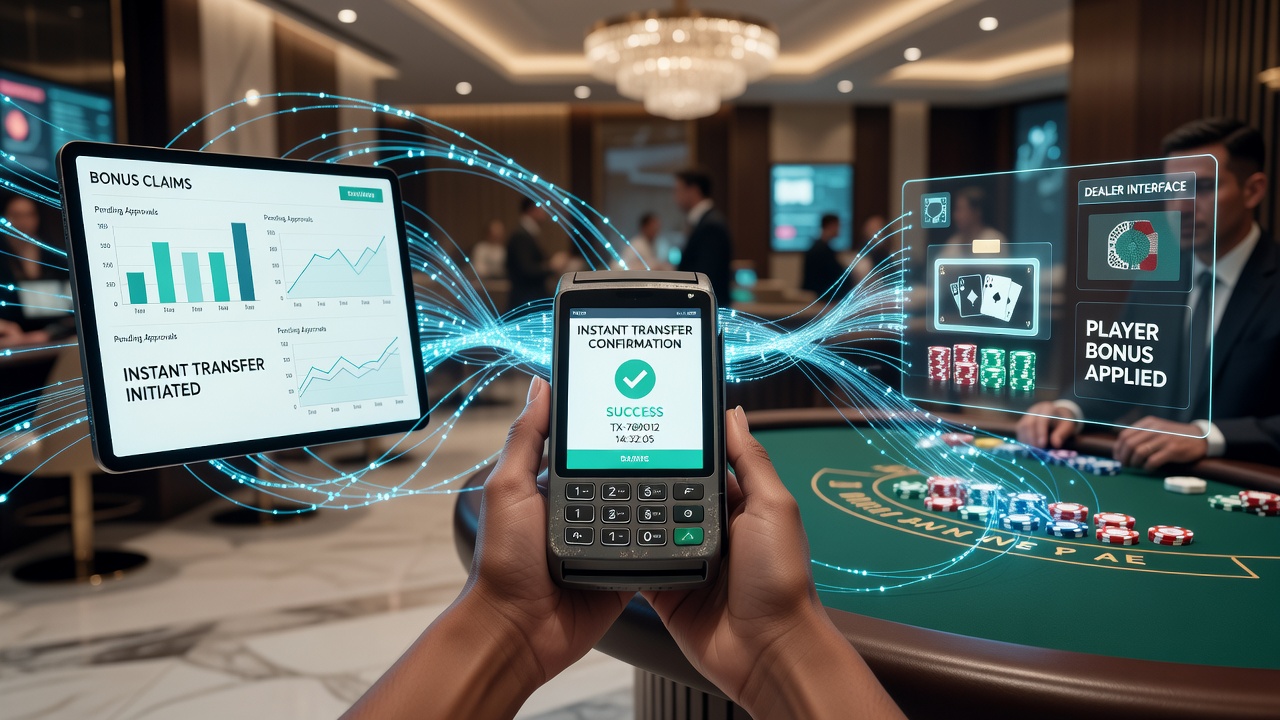
Players navigate a sequence that begins with bonus claims and extends through instant transfers before reaching live dealer tables on handheld devices, and observers track these steps to understand operational flows in digital gaming environments.
Bonus Claim Processes and Initial Triggers
Bonus activation typically starts when users select promotional offers within mobile applications, and data from industry reports shows these claims often require verification steps such as account confirmation or deposit thresholds before credits appear in player balances. Researchers at the University of Nevada, Las Vegas have documented how these initial triggers connect directly to payment gateways, creating traceable threads that link promotional eligibility to subsequent financial actions.
Systems log each claim with timestamps and user identifiers, which allows platforms to monitor compliance with terms while directing funds toward eligible games. One study released in early 2025 highlighted that mobile bonus claims accounted for over 60 percent of promotional activity in certain markets, underscoring the shift toward handheld interfaces for reward distribution.
Instant Transfers and Payment Integration
Once bonuses register, instant transfers move funds from external accounts to gaming wallets, and platforms employ APIs that complete these movements in seconds rather than minutes. Payment processors route transactions through encrypted channels, and figures from the Alcohol and Gaming Commission of Ontario indicate average transfer completion times dropped below four seconds across major operators during 2025 testing periods.
These transfers support both bonus-funded and additional deposits, creating layered balances that players access on the same device. Observers note that integration between banking apps and casino software reduces friction, allowing seamless progression from claim confirmation screens to game lobbies without leaving the handheld environment.
Transition to Live Dealer Tables on Handhelds

Funds from instant transfers become available for live dealer sessions, where mobile applications stream video feeds of physical tables and enable real-time betting through touch controls. Connection protocols maintain synchronization between wallet balances and table interfaces, ensuring wagers deduct immediately upon placement.
Platforms configure dealer interactions for smaller screens by optimizing camera angles and interface layouts, and data indicates live dealer participation on handhelds rose steadily through late 2025. Threads from earlier bonus claims remain visible in transaction histories, providing users with records that trace promotional funds through to specific table outcomes.
Technical Infrastructure Supporting the Flow
Backend systems coordinate bonus ledgers with payment processors and streaming servers, using unified databases that update across all stages of the player journey. Security protocols encrypt each segment of the pathway, while monitoring tools flag anomalies during transfers or table entries. As of June 2026, several operators implemented enhanced API standards that further tightened these connections, reducing latency between mobile claim screens and dealer video feeds.
Device compatibility testing ensures handheld hardware handles simultaneous video decoding and transaction processing without interruption, and industry analyses confirm that optimized code paths now support higher frame rates during live sessions.
Regulatory Context and Record-Keeping Requirements
Regulators in multiple jurisdictions require operators to maintain detailed logs of bonus claims, transfers, and subsequent play, which creates auditable trails across the entire sequence. These records support verification of responsible gaming measures and promotional fairness, and external reviews examine how mobile pathways align with broader compliance frameworks.
Operators store data in centralized repositories that link each action chronologically, allowing rapid retrieval during audits or player inquiries. Such structures demonstrate how technical threads support both operational efficiency and external oversight.
Conclusion
The pathway from bonus claims through instant transfers to dealer tables on handheld devices forms an interconnected sequence that platforms manage through integrated software and payment systems. Documentation of these steps provides clarity on transaction flows and supports ongoing development of mobile gaming infrastructure.