If I Only Knew: Bradford's Wake-Up Call on Gambling Hits Young Adults Where It Hurts
Written by Frankie Becker · Apr 17, 2026
If I Only Knew: Bradford's Wake-Up Call on Gambling Hits Young Adults Where It Hurts
Campaign Launch Targets Prime Risk Group
Bradford City Council, in partnership with creative agency Chapter One, rolled out the "If I Only Knew" public health campaign this spring, zeroing in on 18- to 34-year-olds who face heightened exposure to gambling temptations; the initiative spotlights raw, personal accounts from recovering addicts and their families, aiming to cut through the noise of easy online access and round-the-clock slot venues that dot the landscape.
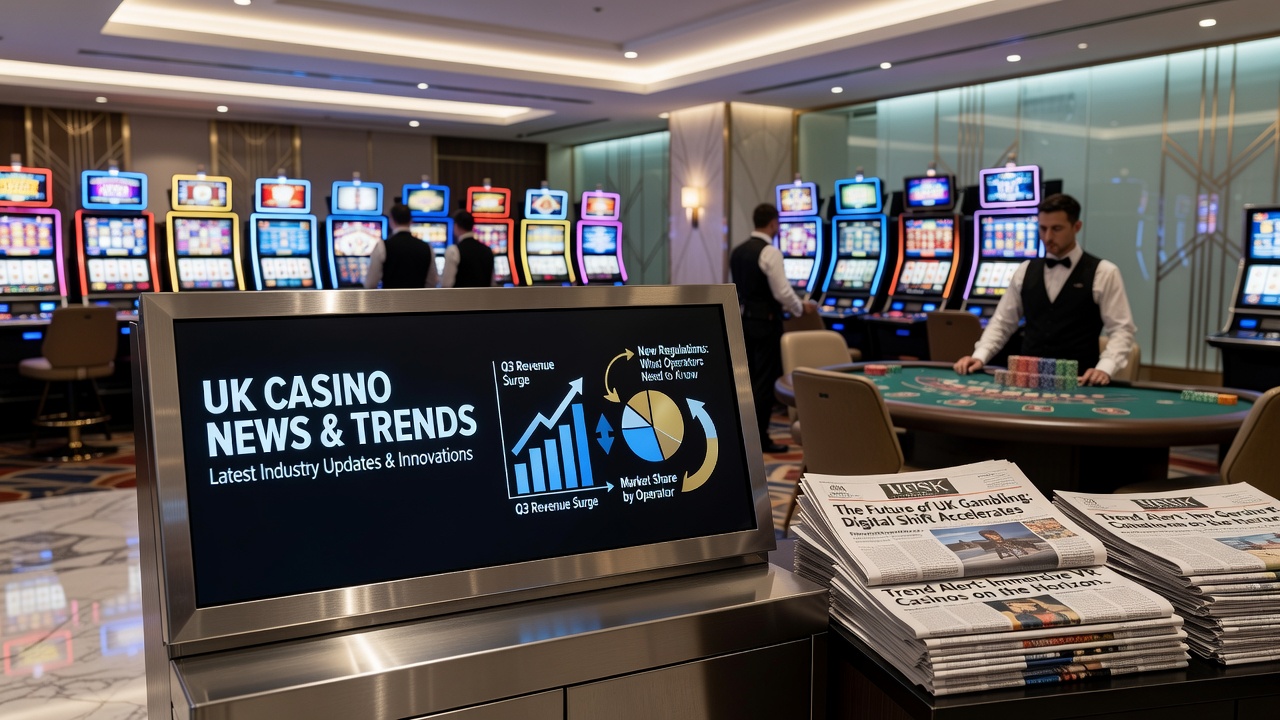
What's interesting here is how the campaign zeroes in on that specific age bracket, where data from local reports reveals spikes in problem gambling tied to deprived neighborhoods packed with betting shops, casinos, and late-night slots; observers note that young adults in these areas encounter more premises per capita than anywhere else in the district, fueling concerns over addictive products slipping into daily routines.
And while online platforms amplify the reach—offering bets at any hour—the physical venues, especially those open 24 hours, create hotspots that researchers link directly to vulnerability; the BBC coverage details how this push responds to a February 2026 council report on problem gambling, which mapped out these high concentrations and sounded alarms for immediate action.
Real Stories Drive the Message Home
Take the testimonials at the campaign's core: recovering addicts share unfiltered regrets, like one young man who lost his job and home to online slots before seeking help, or a mother recounting her son's descent into debt from 24-hour arcade visits; these narratives, captured in videos and posters plastered across buses, billboards, and social media, pack an emotional punch designed to resonate with peers scrolling late at night.
Experts who've studied similar efforts point out that personal stories outperform stats alone, since they humanize the fallout—lost relationships, mounting debts, mental health spirals—and prompt viewers to pause before another spin or bet; in Bradford, where gambling premises cluster in wards like Bowling and Barkerend, such tales hit close to home, mirroring experiences observers have documented in local support groups.
But here's the thing: the campaign doesn't stop at shock value; it pairs those stories with clear calls to action, directing people toward free counseling via the NHS Northern Gambling Service, which backs the whole effort and reports handling hundreds of cases yearly from the region.
Roots in Local Data and Deprived Areas
The spark came from that council report, published just months ago, which laid bare how Bradford's most economically challenged spots harbor disproportionate numbers of gambling outlets—casinos tucked near high streets, adult gaming centers humming past midnight; figures reveal some wards boast double the national average of such sites, correlating strongly with unemployment rates and low incomes that make quick-win lures all the more seductive.
Researchers discovered similar patterns nationwide, but Bradford stands out because local leaders acted swiftly, commissioning Chapter One to craft a response that feels grassroots yet wide-reaching; the agency, known for health drives in the North, wove in community input, ensuring voices from affected families shaped every ad and video.
So now, as the campaign blankets the city—ads on Snapchat for the digital natives, murals in deprived estates for those passing daily—the hope is to shift behaviors before April 2026 rolls around, when the full two-year run wraps up, leaving a legacy of reduced stigma around admitting the problem.
Partnerships and Backing Fuel Long-Term Impact
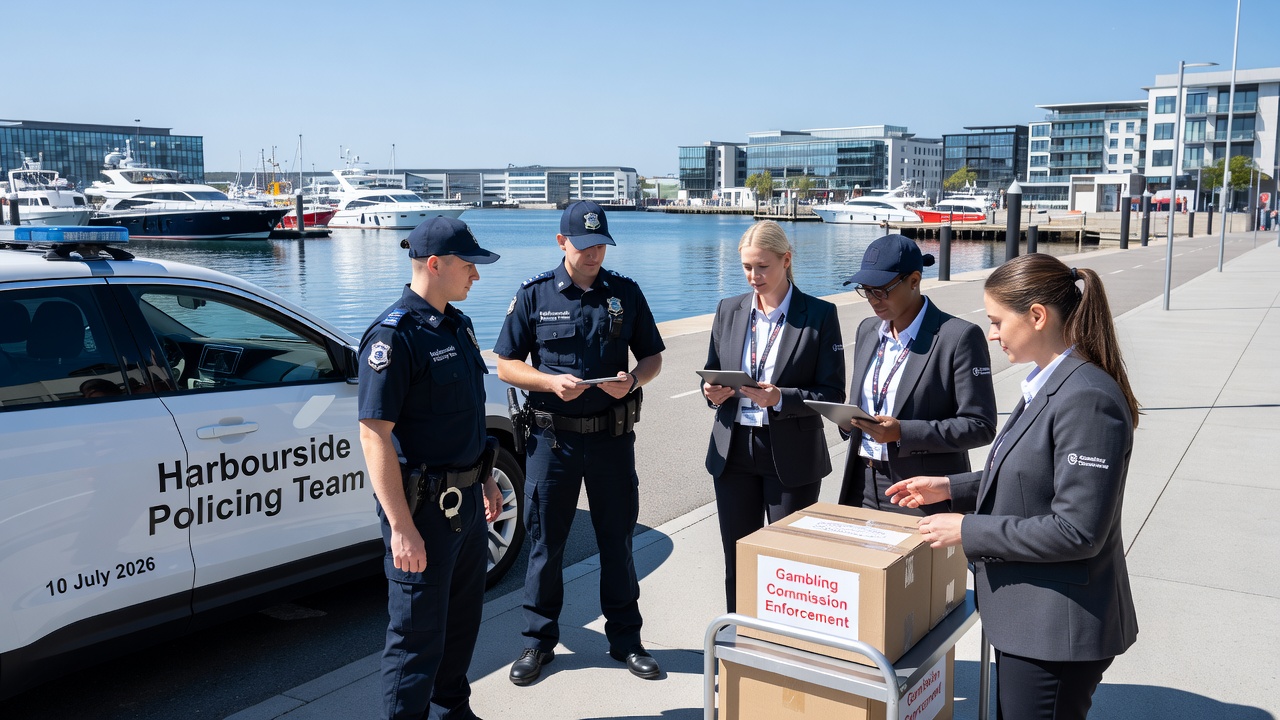
NHS Northern Gambling Service steps up as the key supporter, providing not just funding but expertise from clinicians who've treated thousands; their involvement ensures resources like helplines (116 123 for urgent chats) and clinics in Bradford stay front and center, with campaign creatives linking directly to wait-free assessments.
Chapter One, meanwhile, handles the rollout—digital ads geo-targeted to high-risk postcodes, print in local papers read by families, even pop-up events at community centers where survivors share live; this multi-channel approach, drawn from the council report's recommendations, aims to reach 80% of the target demographic within months, based on early tracking metrics shared by partners.
Turns out, stigma remains the biggest barrier—people who've battled addiction often hide it, fearing judgment, yet studies from similar UK campaigns show storytelling slashes that hesitation by up to 40%, encouraging earlier interventions that save lives and livelihoods; in Bradford, where youth unemployment hovers high, the timing couldn't be sharper.
Addressing Easy Access Head-On
Online gambling poses the stealthiest threat, with apps delivering slots and sports bets straight to phones, while 24-hour venues lure night owls with flashing lights and no-questions-asked entry; the campaign counters this by contrasting the thrill's facade against real wreckage, like one featured story of a 25-year-old whose £500 weekly habit started with "harmless fun" on a betting app.
Observers in public health circles note how deprived areas amplify these risks—kids see ads normalized, young workers chase escapes from stress—yet "If I Only Knew" flips the script, positioning recovery as strength; backed by council data showing one in five 18-34s at moderate risk locally, it pushes preventive education into schools and workplaces too.
And as April 2026 approaches, midway metrics will gauge success through helpline spikes and self-reported attitude shifts, with adjustments to keep momentum; that's where partnerships shine, adapting on the fly while the core message—regret voiced early saves futures—echoes louder.
Broader Context Shapes the Push
Bradford's gambling density isn't unique, but the concentration in low-income zones draws scrutiny, much like reports from Manchester or Liverpool; here, though, the response feels proactive, with councilors citing the February document as a roadmap that prompted this tailored strike against youth vulnerability.
People who've followed these trends know easy access breeds habits fast—online anonymity speeds losses, venue proximity tempts impulse plays—yet campaigns like this, blending emotion with access to help, mark a shift; take one case from NHS logs: a young dad referred via a poster, now debt-free six months in, crediting the "if only" hook for his turnaround.
Yet challenges persist; digital evasion of age checks worries experts, so the drive includes tips on self-exclusion tools, weaving practical steps into every story for immediate use.
Looking Ahead to Campaign's Endgame
Running straight through to the end of April 2026, "If I Only Knew" sets benchmarks like a 25% uptick in service contacts and surveys tracking awareness gains among 18-34s; partners plan quarterly reviews, tweaking based on what resonates—perhaps more family angles if data shows they sway hardest.
What's significant is the stigma-busting focus; by normalizing help-seeking, it builds a safety net that outlasts ads, with NHS clinics expanding slots in anticipation; observers who've seen past efforts falter on funding alone praise this model's sustainability, rooted in council commitment.
In the end, Bradford's move underscores how local action tackles national woes, turning data-driven insights into stories that stick, potentially sparing a generation the "if only" regrets that fuel the fight.