Connecting Mobile Reel Play to Live Dealer Tables Through Layered Rewards and Secure Payment Systems
Written by Frankie Becker · May 17, 2026
Connecting Mobile Reel Play to Live Dealer Tables Through Layered Rewards and Secure Payment Systems
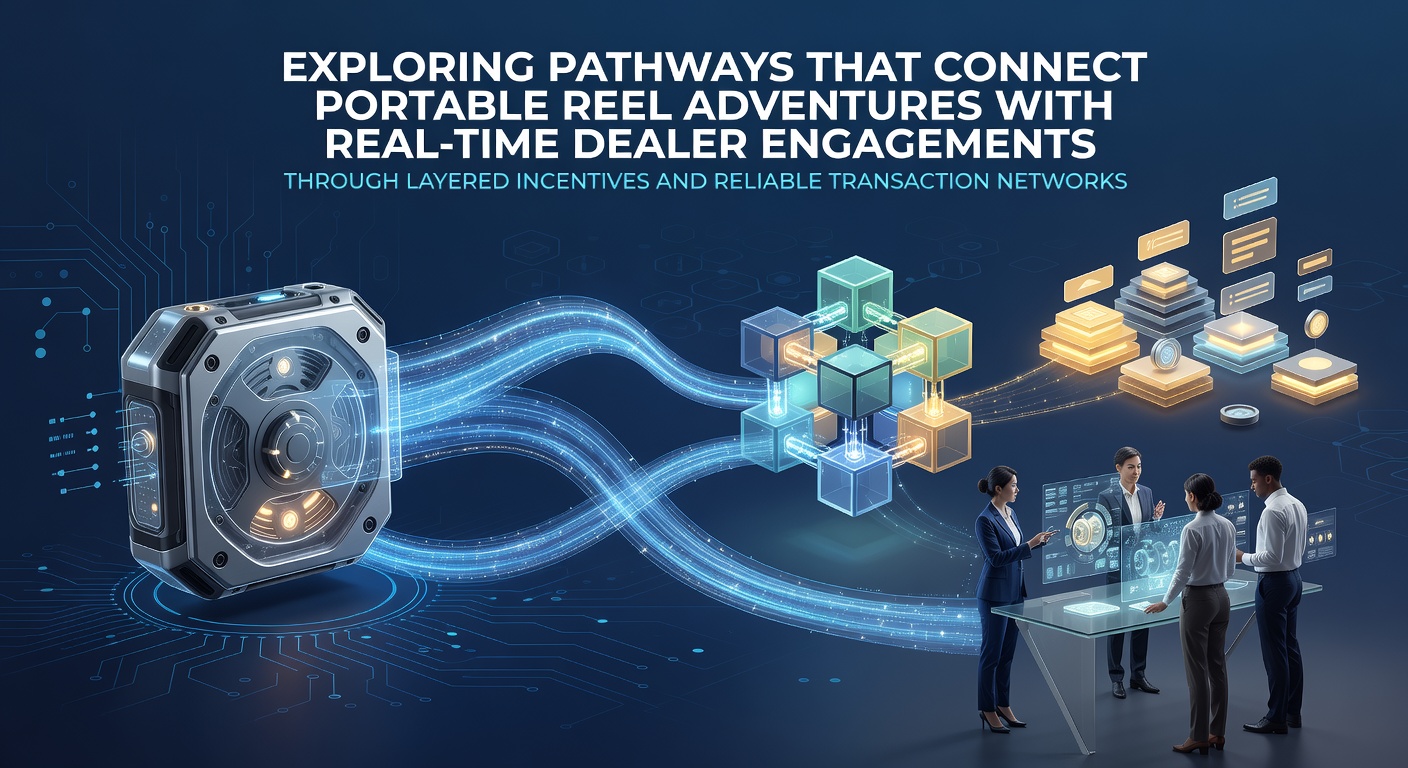
Portable reel adventures often serve as entry points that guide players toward real-time dealer engagements, and layered incentives combined with reliable transaction networks make these transitions smoother across many platforms. Observers note that mobile slots deliver quick sessions with immediate feedback, while live dealer streams add social elements and higher stakes that build on those initial experiences. Data from industry reports shows players frequently move between these formats when reward structures align across both environments.
Pathways Formed by Incentive Layers
Layered incentives start with deposit matches and free spins on mobile reels, then expand into cashback offers and loyalty points that apply directly to live dealer tables. Research indicates these progressions encourage longer engagement because rewards accumulate across game types rather than resetting at each switch. Experts have observed that when platforms tie bonus tiers to total play volume, users explore live options more readily after mobile sessions establish a base routine.
Take one case where analysts tracked user flows on a major site and found that players receiving escalating rewards after 50 mobile spins showed a 35 percent higher rate of joining live blackjack rooms within the same week. Such patterns repeat across multiple markets because the incentive design reduces friction between formats. What's interesting is how these layers also incorporate time-limited promotions that highlight live dealer availability during peak hours.
Transaction Networks That Enable Seamless Shifts
Reliable transaction networks underpin these movements by supporting instant deposits and withdrawals that work identically whether users stay on reels or move to dealer streams. Figures reveal that platforms using unified wallets cut average transfer times to under 30 seconds, which keeps momentum intact during switches. According to studies from the Australian Gambling Research Centre, secure payment rails lower drop-off rates because players avoid separate funding steps when changing game modes.
But here's the thing: not every network performs equally, and those with built-in verification protocols maintain higher retention through May 2026 updates that emphasize faster compliance checks. People who've examined transaction logs note that e-wallet integrations paired with card options create redundancy that prevents interruptions even during high-traffic live events. This reliability matters because live dealer tables often require larger buy-ins that benefit from pre-verified balances carried over from mobile play.

Regional Variations in Network Performance
North American operators have adopted similar frameworks where state-specific rules shape how incentives bridge mobile and live formats. Data shows Canadian provinces with regulated online markets report stronger cross-format movement when transaction networks include local banking partnerships. Meanwhile European platforms outside the UK focus on multi-currency support that lets players maintain balances across borders without repeated verifications.
Yet patterns differ in Asia-Pacific regions where mobile-first users dominate and live dealer engagement rises sharply once initial reel bonuses convert into table credits. Observers note that May 2026 schedules include several operator summits where payment providers plan to demonstrate upgraded APIs that further tighten these connections.
Support Structures That Sustain the Journey
Round-the-clock assistance teams play a supporting role by guiding users through reward redemptions and payment queries that arise during format shifts. Those who've studied support ticket data find that queries about live dealer access often follow mobile bonus claims, which prompts platforms to train staff on both systems simultaneously. This integrated approach keeps players moving forward rather than stalling at transition points.
And when networks incorporate automated chat tools alongside human agents, response times drop while accuracy on incentive details stays high. Research from gaming associations confirms that such hybrid models correlate with increased live table participation rates after mobile starts.
Conclusion
The pathways connecting portable reel adventures with real-time dealer engagements rely on coordinated incentive layers and dependable transaction networks that operate across diverse regulatory landscapes. Evidence suggests continued refinement of these elements will shape how players progress between formats through 2026 and beyond, with data continuing to highlight the value of seamless integration at every step.